










Shoe Size Conversion - Australian Edition
You’re here because you want answers. You want to know what size to order, and you don’t want to get it wrong.
Start with the chart below. If it gives you a clear answer, you’re done. If not, measure your foot and use the chart again.
Shoe Size Conversion Chart
How to use this chart
-
If you already know your usual size, find it in the table.
-
If you’re unsure, measure your foot in centimetres and match it to the closest row.
-
If your measurement sits between two sizes, the larger size is usually the safer option.
| AU / UK (Leather) | US (Sneakers) | EU | Foot length (cm) |
|---|---|---|---|
| 6 | 7 | 39 | 25.0 |
| 6.5 | 7.5 | 40 | 25.5 |
| 7 | 8 | 41 | 26.0 |
| 7.5 | 8.5 | 41.5 | 26.5 |
| 8 | 9 | 42 | 27.0 |
| 8.5 | 9.5 | 42.5 | 27.5 |
| 9 | 10 | 43 | 28.0 |
| 9.5 | 10.5 | 44 | 28.5 |
| 10 | 11 | 44.5 | 29.0 |
| 10.5 | 11.5 | 45 | 29.5 |
| 11 | 12 | 46 | 30.0 |
| AU / US | UK | EU | Foot length (cm) |
|---|---|---|---|
| 5 | 3 | 36 | 22.0 |
| 5.5 | 3.5 | 36.5 | 22.5 |
| 6 | 4 | 37 | 23.0 |
| 6.5 | 4.5 | 37.5 | 23.5 |
| 7 | 5 | 38 | 24.0 |
| 7.5 | 5.5 | 38.5 | 24.5 |
| 8 | 6 | 39 | 25.0 |
| 8.5 | 6.5 | 40 | 25.5 |
| 9 | 7 | 41 | 26.0 |
| 9.5 | 7.5 | 41.5 | 26.5 |
| 10 | 8 | 42 | 27.0 |
Measure your foot (if you’re unsure)
If the chart alone doesn’t give you confidence, measuring your foot in centimetres is the most reliable next step.
-
Place a sheet of paper on a hard floor against a wall.
-
Stand with your heel lightly touching the wall.
-
Mark the tip of your longest toe.
-
Measure from the wall edge to the mark.
-
Measure both feet and use the longer result.
Measure later in the day, when feet are usually slightly fuller.
Once you have your measurement, return to the chart above and choose the closest cm value.
How shoe sizing is actually used in Australia
Shoe size confusion usually comes from different sizing systems being used for different types of footwear, often without being clearly labelled.
Men’s footwear
-
Men’s athletic sneakers are most commonly sold using US sizing.
-
Men’s leather shoes and boots usually follow UK sizing, even when labelled as “AU”.
A men’s US 10 sneaker and a men’s UK 10 leather shoe are not the same size.
Women’s footwear
-
Women’s sizing varies widely depending on brand and style.
-
Shoes may use AU, US or EU sizing, sometimes relabelled rather than redesigned.
-
Because of this, foot length in centimetres is often more reliable than the number on the box.
EU sizing
-
EU sizes are based on the length of the last, not the exact length of your foot.
-
Different brands round and scale EU sizes differently.
This is why conversion charts are a guide, not a guarantee.
Style differences that affect fit
The same size can feel very different depending on the style and construction of the shoe.
- Flats and loafers are often shallow through the vamp, so excess length can lead to heel slip.
- Heels reduce usable internal space as heel height and toe shape increase.
- Closed-laced shoes (for example, Oxfords) have a fixed lace opening. Because the quarters are sewn under the vamp, they provide limited adjustment and will feel tight on wider feet or feet with higher arches if the fit is not right.
- Open-laced shoes (for example, Derbies) have quarters sewn on top of the vamp. This allows more adjustment through the laces and generally suits wider feet or higher arches more easily.
- Boots vary widely depending on structure, lining and intended use.
- Sneakers are heavily influenced by padding, foam density and upper materials.
This is why it is common to wear different sizes across different types of footwear.
Care, fit and long-term wear
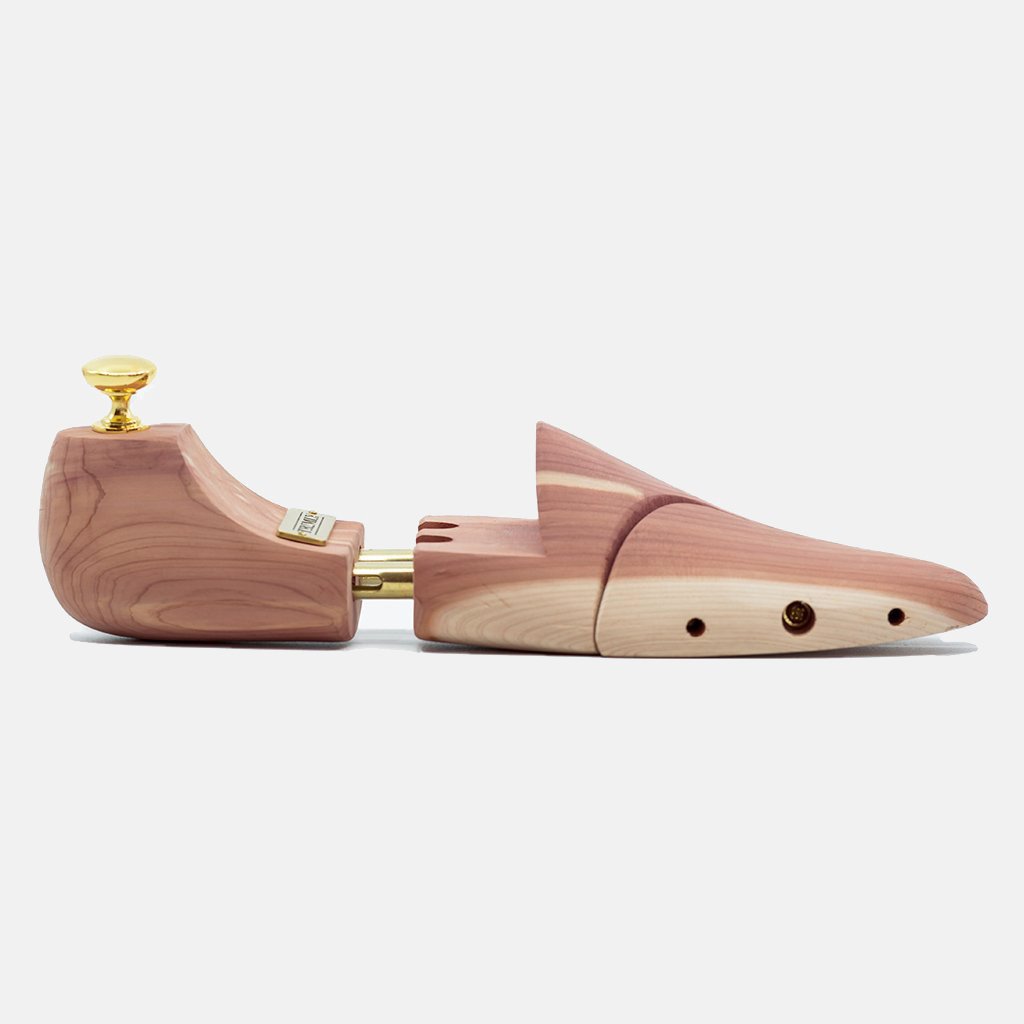
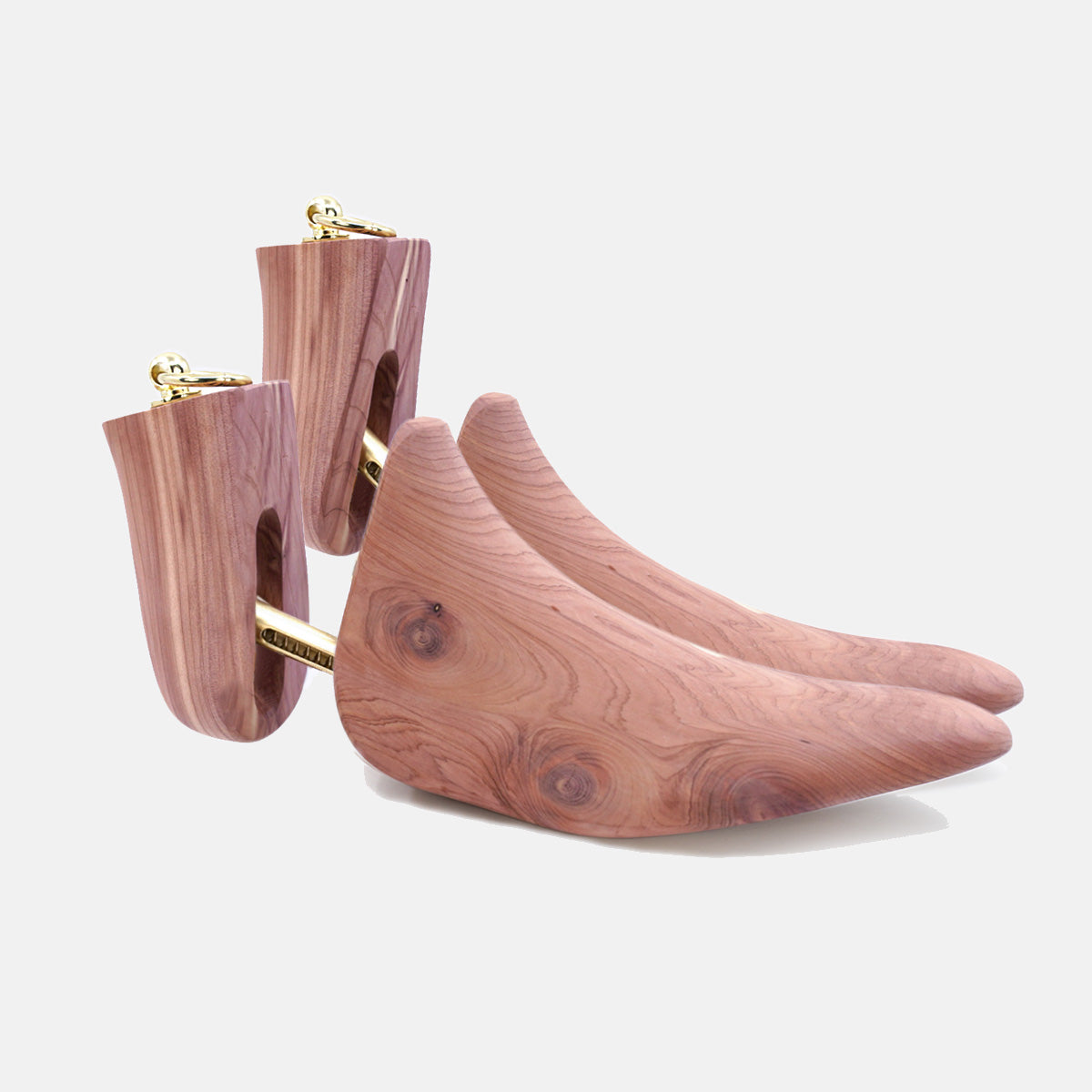
Footwear that is stored without internal support between wears is less able to return to its intended shape. When the upper is allowed to set in a distorted position, the fit changes and the shoe can begin to feel looser, longer or less secure, even though the size itself has not changed.
Learn more about shoe trees.
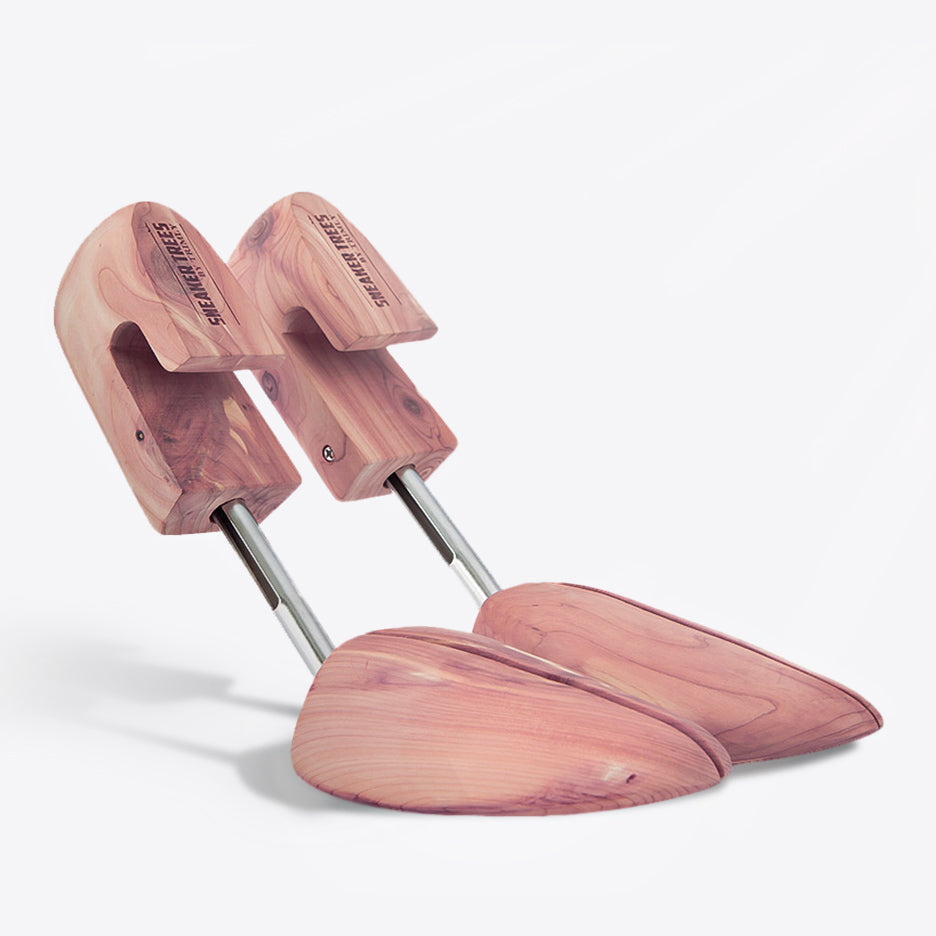
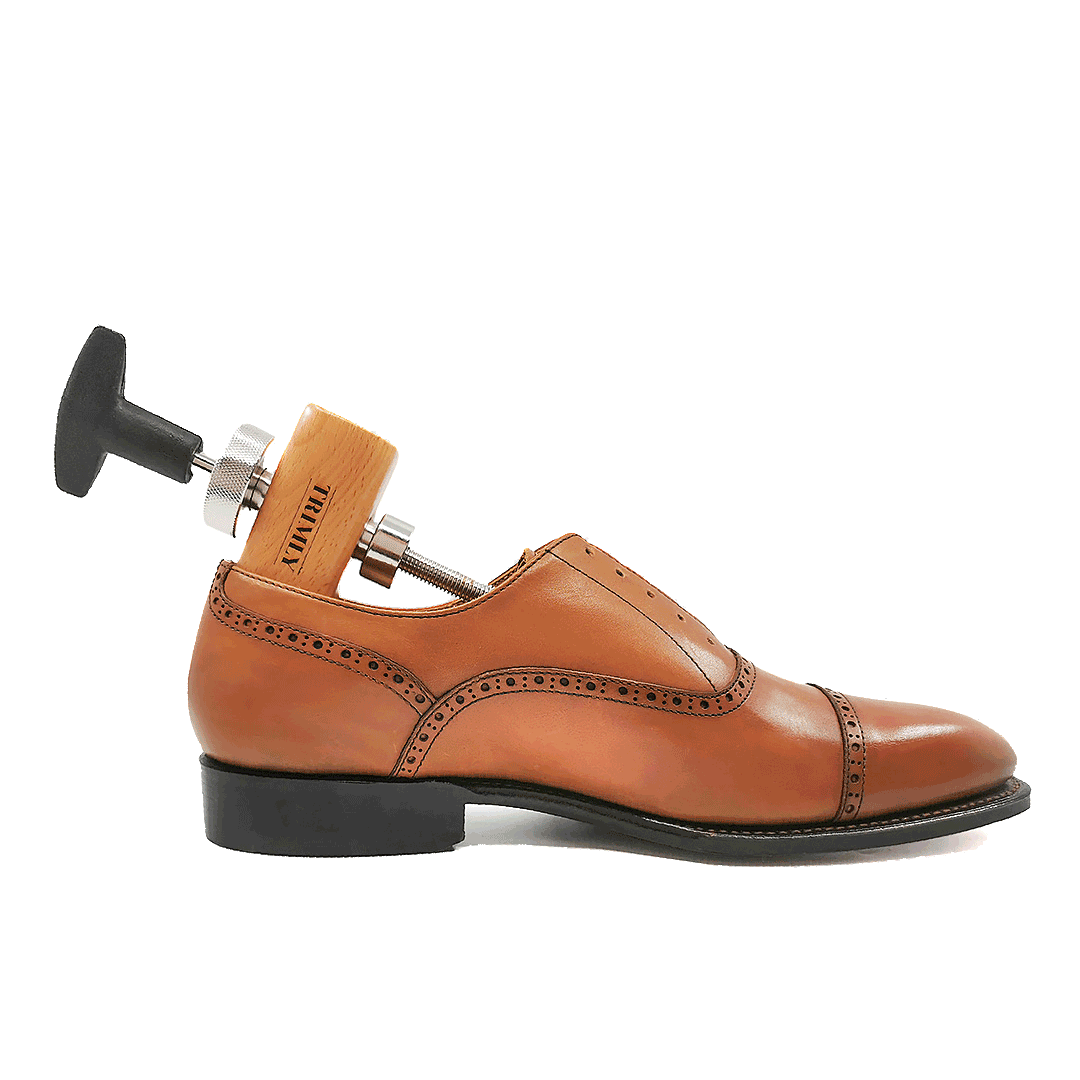
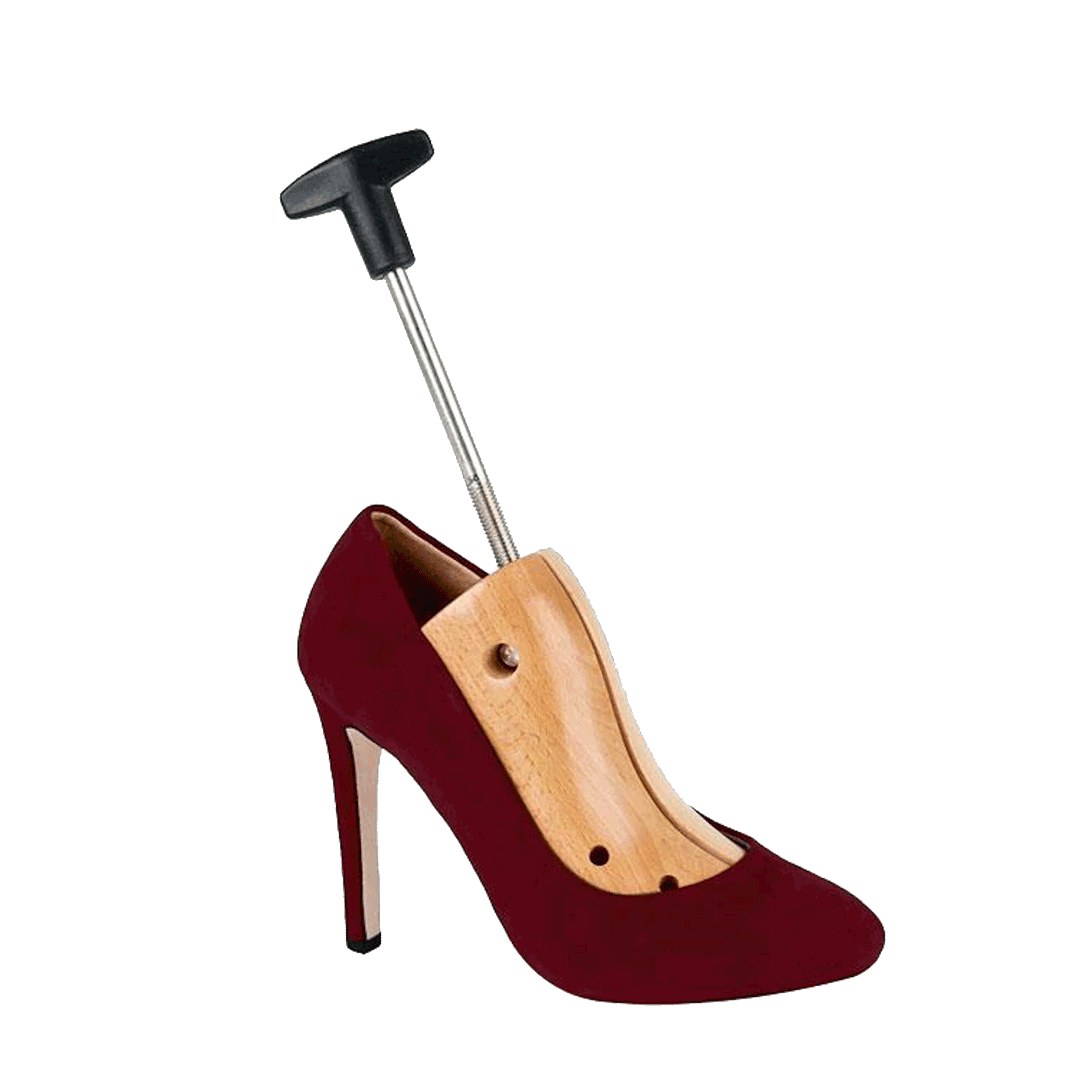
Localised pressure or tightness is often better addressed in the specific area rather than by moving up a full size, which can introduce heel slip and instability.
Learn more about shoe stretcher solutions.
These approaches do not change the shoe’s size. They can, however, influence comfort and how the shoe wears over time.
Frequently asked questions
How do I use my foot length in cm with this chart?
Measure your foot and then look for the closest foot length (cm) value in the table on this page, under the Men or Women tab. The size in that row is usually the best starting point. If your measurement sits between two rows, the larger size is often more comfortable for most people.
Is Australian sizing the same as UK or US?
In men’s leather shoes and boots, Australian sizing usually follows UK sizing. In women’s shoes, Australian sizing generally follows US sizing. Sneakers often use the brand’s global system, which is why men’s athletic sneakers are typically labelled in US sizes while many leather styles use UK sizing.
Why do I wear one size in sneakers and another in leather shoes?
Sneakers are usually built on different lasts, with more padding and a roomier toe box compared with many leather shoes. In Australia, men’s sneakers are commonly sold in US sizing, while leather shoes and boots often use UK sizing. That combination makes it very common to wear, for example, a US 10 in sneakers and a UK 9 in leather shoes.
I am between sizes. Should I size up or down?
If one size feels firm but secure and the next size up feels loose at the heel, the firmer size is usually the better option. If both sizes feel short or cramped at the toes, move up. For most people, when the foot length in cm sits between two rows on the chart, choosing the larger size is safer, especially for closed-laced shoes and boots.
How much space should I have in front of my toes?
As a general guide, you should have a small amount of space in front of your longest toe, often described as around a thumb’s width in many fitting guides. Your toes should not be pressing hard into the front of the shoe, but they also should not be swimming in excess length. If you can feel the front of the shoe when you walk downhill, it is usually too short.
One foot is bigger than the other. What size should I buy?
It is normal for one foot to be slightly longer or wider. Choose your size based on the larger foot, then use lacing, insoles or minor adjustments to improve the fit on the smaller foot if needed. Sizing for the smaller foot usually leads to discomfort on the larger one.
Why do my shoes feel tighter in the afternoon?
Feet tend to swell slightly during the day, particularly in warm weather or if you spend a lot of time standing or walking. This is why many fitting guides recommend trying on or measuring your feet later in the day rather than first thing in the morning.
Do shoe trees or stretchers change shoe size?
Correctly sized shoe trees do not change the shoe’s size. They support the structure of the shoe between wears, which helps it reform to its intended shape so the fit feels more consistent over time. Stretching solutions and stretchers can provide a small amount of extra room in specific pressure points, but they do not turn one size into the next size up.