













Shoe Care Guide
The following steps outline a simple care routine for your cherished leather shoes. If worn regularly, most people should revisit the full routine every four to six weeks.


Step 1. Remove the laces
Easy to skip, especially when you’re in a rush. Remove the laces before you start, otherwise you’ll end up getting shoe care product on them and having to clean them later anyway.


Step 2. Insert shoe trees
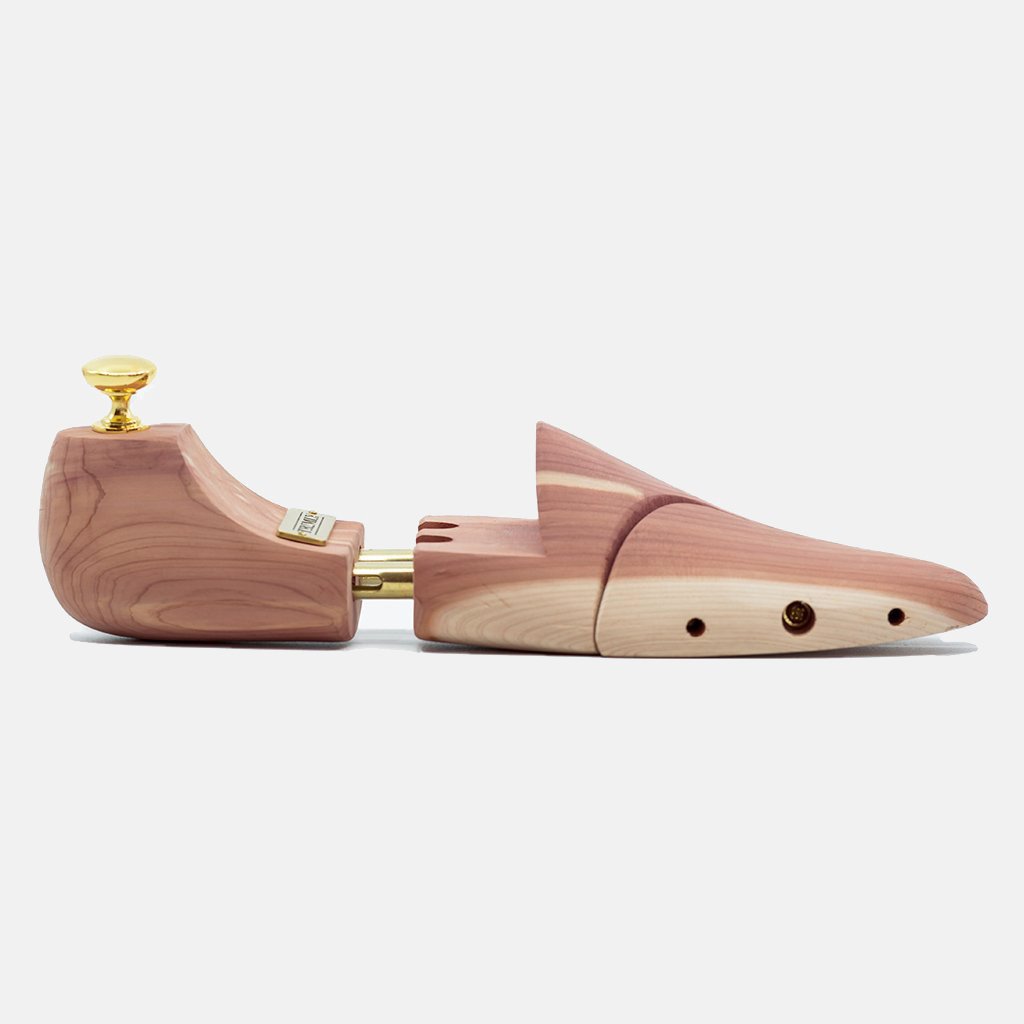
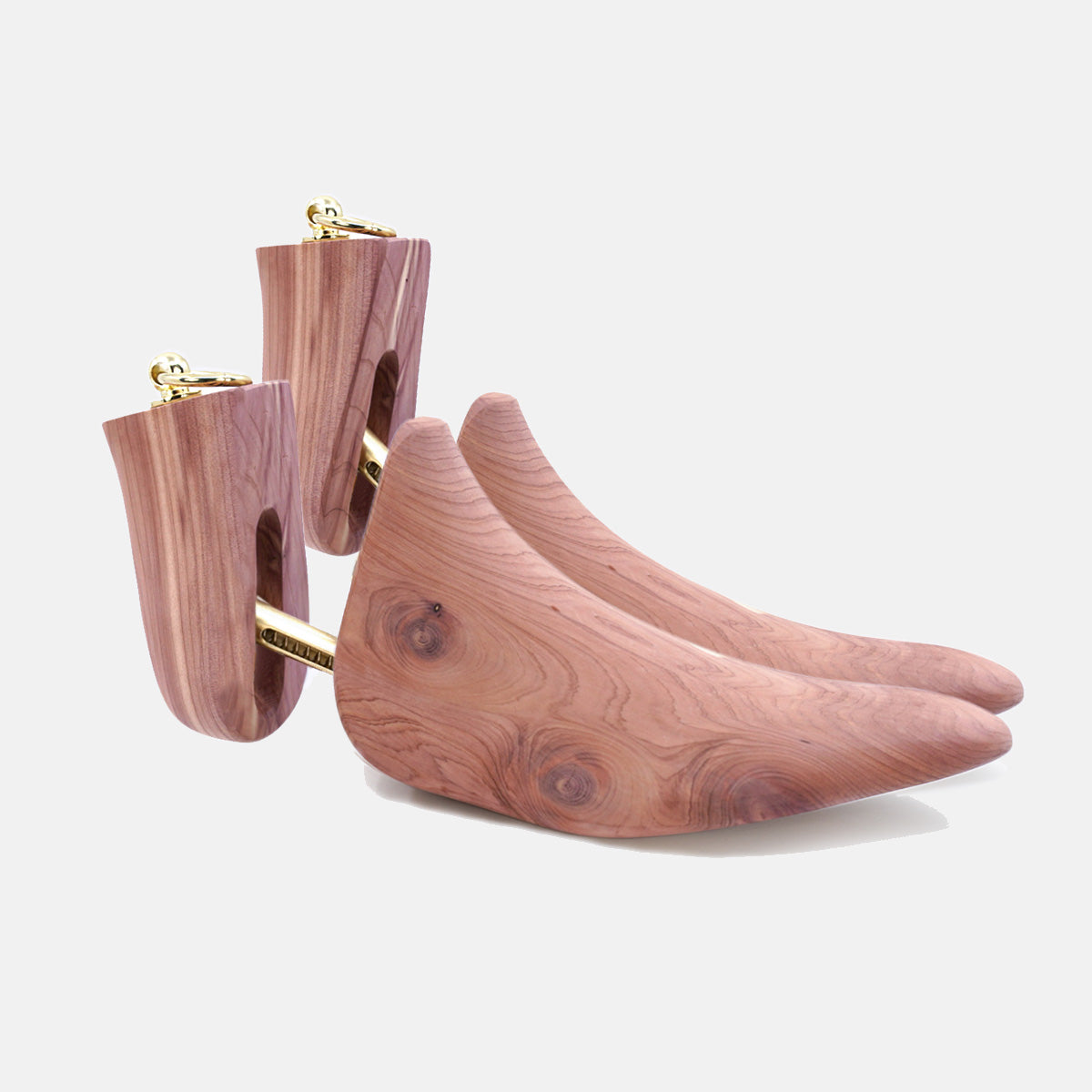
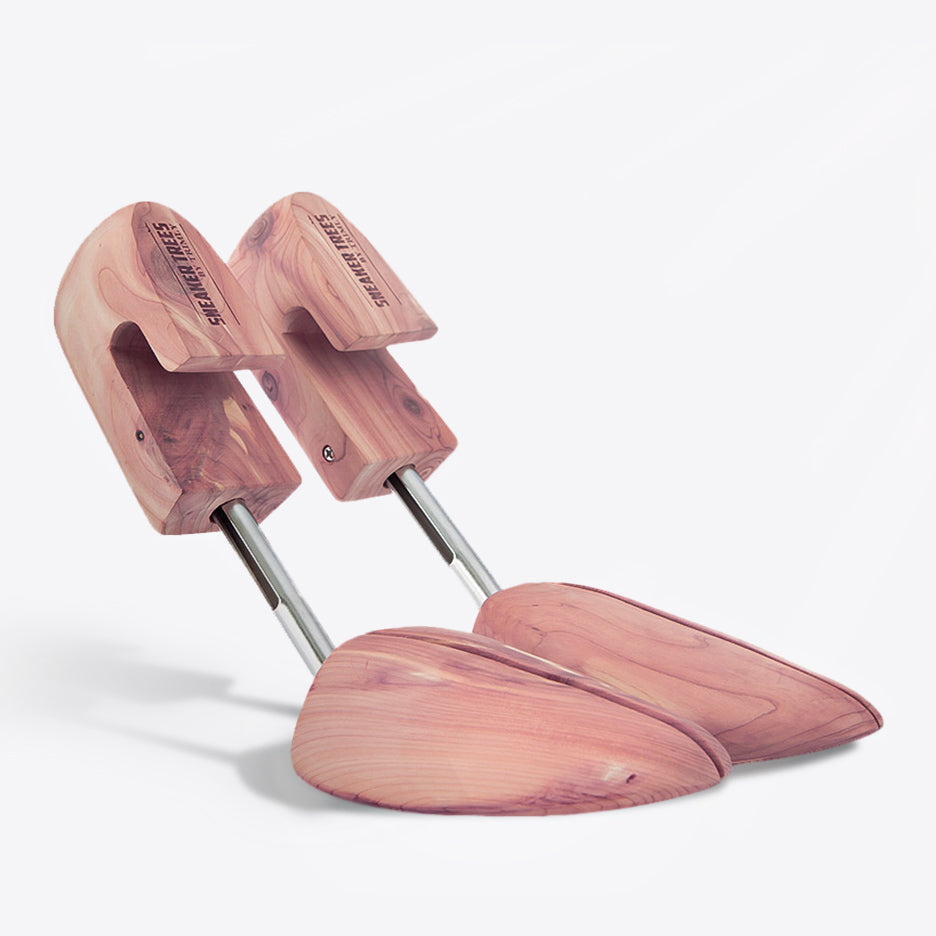
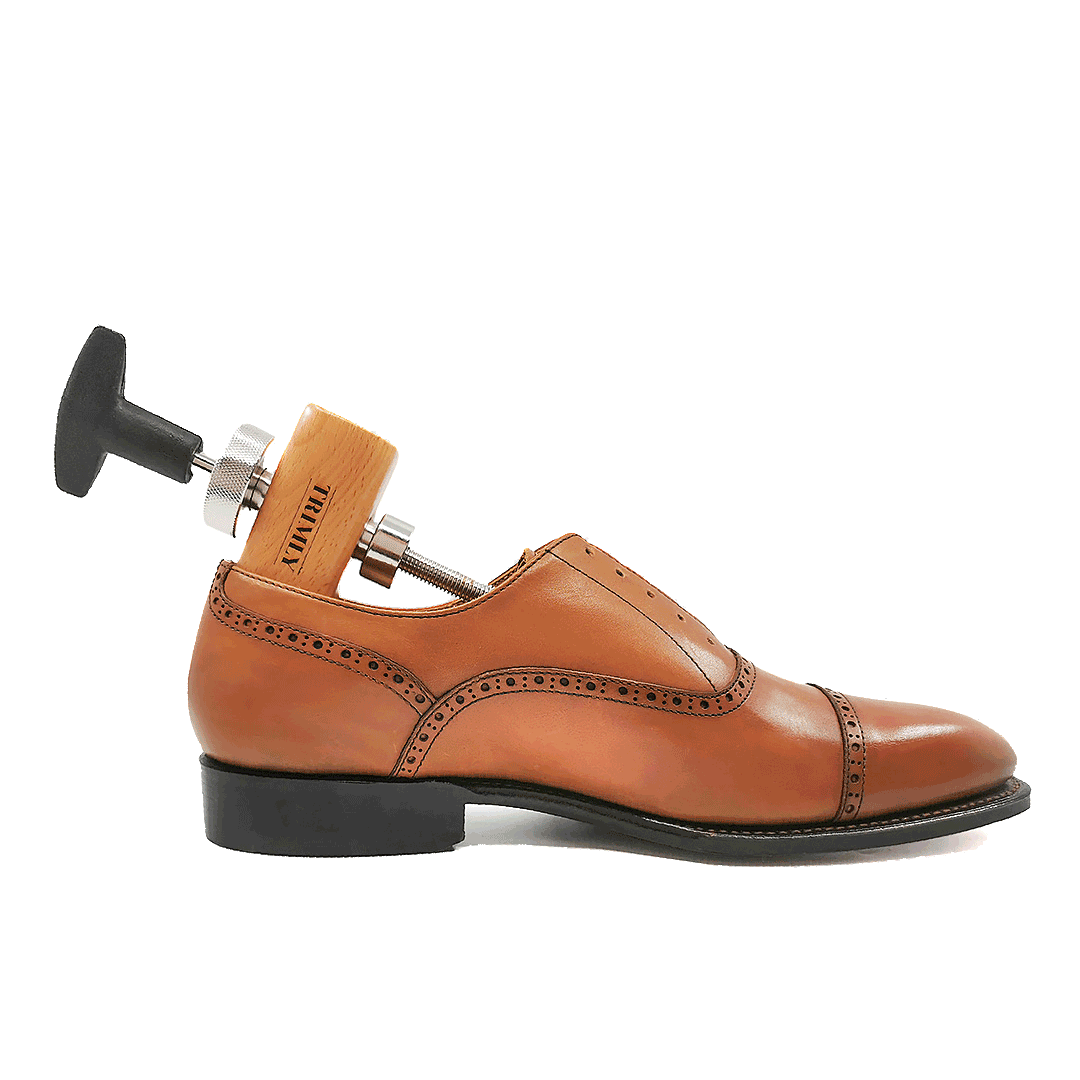
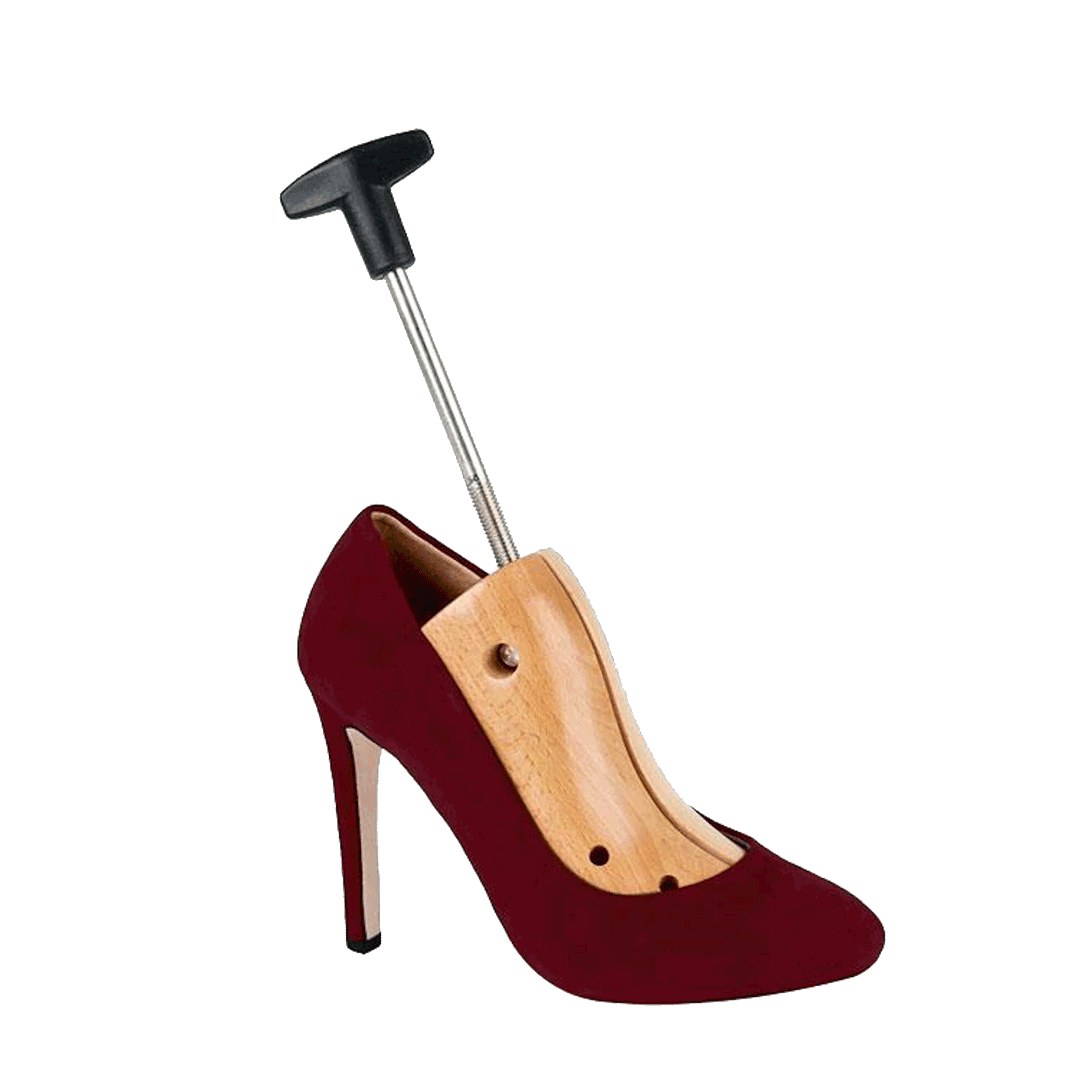
Insert shoe trees before caring for leather shoes because they hold the shoe’s shape and create a firm, even surface to work on. This reduces creases, lets polish sit smoothly, and helps you build a consistent finish, especially on the toe box where a mirror shine depends on a stable base.


Step 3. Remove Dust
Use a horsehair brush to remove dust and airborne debris. Pay close attention to the welt, where the upper meets the sole, as dirt tends to build up in this area.


Step 4. Clean the surface
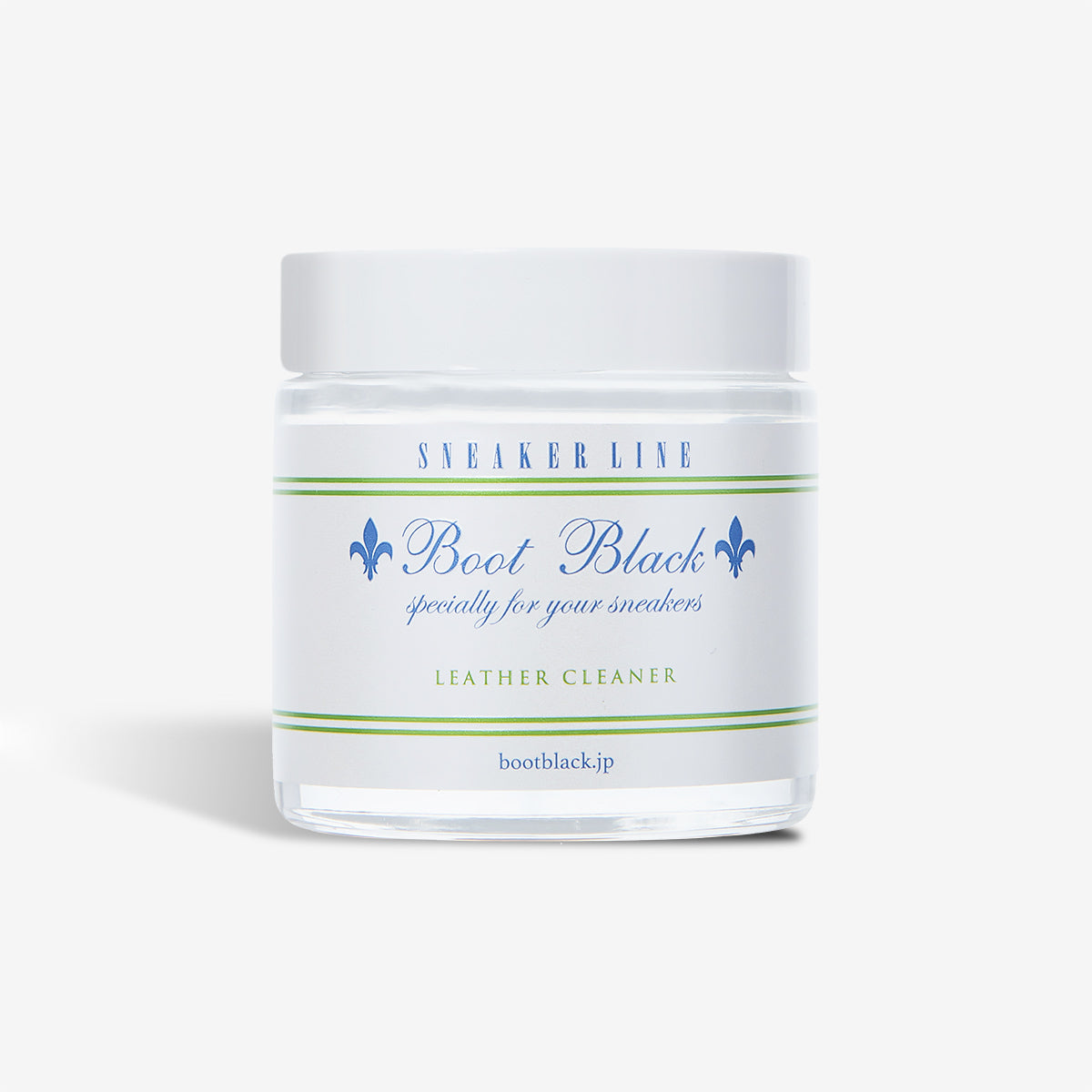
Use a cleaner or cleaner and conditioner, such as Boot Black Two Face Lotion, to remove stubborn dirt and grime. A good cleaner prepares the leather and creates a smooth base for applying cream polish.


Step 5. Nourish and rejuvinate the leather
Cream polish replenishes oils, restores colour, and helps keep leather supple. It can be applied with a polish cloth, an application brush, or even your fingers.
Personally, I prefer using a polish cloth wrapped around my index and middle fingers. It gives better control over how much product is being applied and helps work the cream evenly into the leather without overloading it.
Just remember, "less is always more" when it comes to cream polish.


Step 5. Polish for protection and shine
Cream polish adds a soft sheen. Wax polish adds shine. If you use wax, keep it to the toe and heel only. Across flex points it cracks, flakes, and looks tired quickly. Wax polish is a finish layer, not a substitute for cleaning or conditioning.


Step 6. Store and rotate
Avoid wearing the same pair day after day. Leather needs time to recover. Rotate pairs where possible and store boots with trees inserted. For long-term storage or travel, breathable cotton boot bags protect the surface without trapping moisture.
Achieving a mirror gloss
Start by cleaning the shoe and brushing off any dirt, then apply a few very thin layers of hard wax polish to the toe and heel, letting each layer dry slightly before lightly buffing. Once you’ve built a smooth base, switch to adding tiny amounts of wax with a single drop of water, using fast, light circular motions with a soft cloth.
The goal is to build up ultra-thin layers rather than load the surface, as the shine comes from stacking and smoothing the wax, not from pressure or excess product. Continue layering patiently, keeping the surface just slightly damp so the wax levels out, and finish by using only water and a clean section of cloth to lightly glide over the surface until it develops a deep, reflective gloss.


Wet shoes? Easy fix
If footwear gets wet, wipe away surface moisture and loosely stuff them with newspaper or paper towel to help absorb moisture from the inside. Leave them to dry naturally in a well-ventilated area.
Once partly dry, remove the paper and insert shoe or boot trees so the leather finishes drying in shape. When fully dry, apply a light conditioner if needed.
Avoid heaters or hairdryers, as drying leather too quickly can cause it to stiffen and crack. With lighter leathers such as tan or light brown, allow them to dry evenly, as water marks and colour variation are more noticeable.


Seasonal Considerations
Cold and wet conditions call for more frequent brushing and drying. Check leather every four to six weeks. In hot or dry climates, leather loses moisture faster, so condition proactively and keep your footwear away from heat and sun. In humid conditions, airflow matters. Store your shoes or boots somewhere breathable to avoid mould.
Common Footwear Care Questions, Answered
-
Rarely, but it depends. Most quality shoes arrive with a factory finish designed to protect the leather during transit and storage. Only condition immediately if the leather feels unusually dry or stiff.
That said, some shoes have been on the shelf for considerable time. A simple test: gently press your thumb into the leather. If fine, pale wrinkles appear and linger briefly, the leather may benefit from light conditioning. Otherwise, wear them first and let the leather break in naturally.
-
Each serves a different purpose:
Horsehair (The Essential Brush)
Medium-soft bristles ideal for everyday dusting, buffing, and general polishing.Pig Hair (The Heavy Worker)
Stiffer bristles suited to working cream polish into heavily grained leather or tackling stubborn dirt.Goat Hair (The Finisher)
Ultra-soft bristles used as a final buffing brush for high-shine finishes and mirror shines. -
No. Proper shoe trees are designed to support the shoe’s natural shape, reduce deep creasing, and help prevent the toe from curling upward over time.
Their biggest benefit is moisture management. Cedar helps absorb residual moisture and odour after wear, which helps preserve the leather lining and internal structure.
-
Less often than most people think. Products like saddle soup are excellent when removing tough stains like oil, but excessive cleaning can strip the leather of all of its oil and dry the leather unnecessarily.
The best habit is simply brushing your shoes after wear to remove dust and grit before it settles into the leather, or using a gentle cleaner / conditioner once in a while. A proper leather cleaner is usually only needed occasionally to remove heavy buildup or old polish layers.
-
Avoid wearing the same leather shoes every day. Leather needs time to dry and recover between wears.
Rotating footwear and using shoe trees dramatically reduces moisture buildup, helping the leather and internal lining last longer.
-
Think of cream as nourishment and wax as protection.
Cream polish replenishes oils, restores colour, and keeps leather supple. Wax polish sits closer to the surface, adding shine and helping protect against light scuffs and moisture.
Avoid heavy wax buildup on flex points such as the vamp, where repeated bending can eventually cause the wax layer to crack.
-
Not necessarily. Suede marks more easily than smooth leather, but it is often more forgiving. Many scuffs and flattened areas can be revived with a proper suede brush or crepe brush.
A quality protector spray applied early also makes suede surprisingly practical for regular wear.